
By: Addie Morris
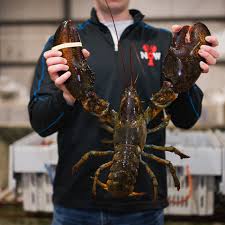
Currently, the famous Maine lobster likes to live in the cold Atlantic waters of the Gulf of Maine. However, temperatures are rising and pushing the lobster north, and even killing them.
The warmer waters bring on disease and impact their ability to reproduce, and raises the mortality rate. According to the National Science Foundation, water temperatures have increased by 3 degrees since 1900. No other body of water is warming faster than the Gulf of Maine.
According to Markus Frederich, a marine scientist at the University of New England, says, “Lobsters are cold water animals. When the oceans get warmer, they move into deeper, colder water, change the time in molt, and become more susceptible to disease.” For lobsters in Maine, this likely means they will migrate north to Canadian waters because the northern waters are colder.
For Maine, this is bad for the economy because it will impact seafood companies and small seafood businesses. If this migration continues, Maine restaurants will be selling Canadian Lobster. It will likely also affect tourism because lots of people come to Maine to eat fresh lobster.
If the warming continues, Canada will likely benefit from seafood jobs and increased tourism as people leave Maine. The warming waters will also benefit warm-water species like great white sharks because these species live in more tropical waters, like Florida. As the water temperature rises, species that live in warmer environments are moving north into the Gulf of Maine.
Predators like White sharks are not native to Maine and will kill off more of our native species. This will mostly affect our harbor seals. The more the temperature changes, the more the whole environment will change, leaving Maine a completely different state.
Climate change is responsible for the rising temperatures. We can change this problem by polluting our environment less. Maybe then we can keep our lobsters happy and healthy.
 Buckfield Beacon
Leave a comment